|
|
 By Creezy Courtoy, IPF Founder and Chair In the quest for innovative approaches to cancer treatment, researchers are constantly exploring new avenues. One intriguing area of study is the connection between DNA research, epigenetics, and the use of scents to rebalance the organization of our cells. The International Perfume Foundation is leading the charge in this unique research, aiming to unravel the potential of scent-based therapies in curing cancer. This article delves into the fascinating world of epigenetics, the role of emotions, and the ongoing efforts to support this groundbreaking research.
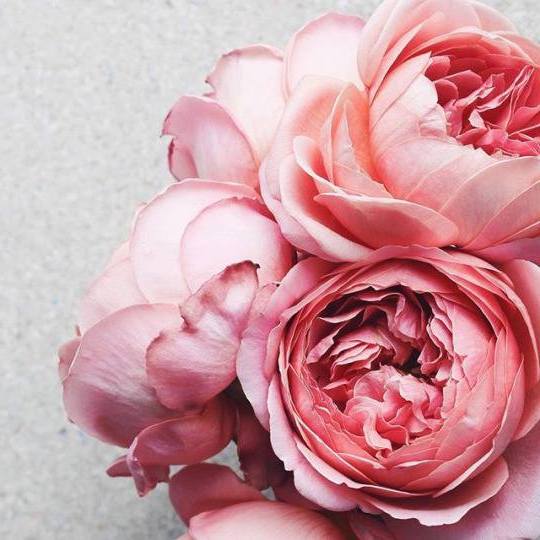
Understanding Epigenetics and DNA Research Epigenetics is the study of changes in gene expression that occur without altering the DNA sequence itself. It examines how external factors, such as environmental influences and lifestyle choices, can impact the way genes function. By understanding epigenetic processes, scientists hope to uncover new approaches to prevent and treat diseases, including cancer. The Role of Emotional Shocks in Cellular Disorganization Emotions play a significant role in our well-being, but could they also contribute to cellular disorganization and the development of cancer? According to the proposed research, emotional shocks are believed to disrupt the harmonious functioning of our cells. These disturbances are thought to manifest as vibratory electric disruptions, affecting the cell's organization and potentially leading to the development of cancerous cells. Associating Scents and Olfaction with Cellular Rebalancing Drawing inspiration from the field of olfaction, researchers are exploring the potential of scents to restore cellular balance. It is suggested that certain scents, such as the electric impulsion (vibration) of roses or high-frequency plants, may possess the ability to rebalance the organization of cells. The precise mechanisms underlying this phenomenon are still being investigated, but it offers an intriguing avenue for further research. The International Perfume Foundation's Pioneering Research The International Perfume Foundation has taken up the mantle of investigating the potential therapeutic applications of scents and olfaction for cancer treatment. Their research aims to uncover the precise mechanisms by which scents can influence cellular organization and develop innovative scent-based therapies to combat cancer. However, to carry out this groundbreaking research, the foundation requires financial support in the form of donations. Supporting the Research Efforts As the International Perfume Foundation embarks on this ambitious research journey, your support can make a difference. Donations to the foundation will contribute to the funding necessary for conducting comprehensive studies, recruiting expert researchers, and acquiring advanced laboratory equipment. By supporting this research, you could help unlock a new frontier in cancer treatment, potentially offering hope to millions of people affected by this devastating disease. The intersection of DNA research, epigenetics, and scent-based therapies presents an exciting opportunity to revolutionize cancer treatment. The International Perfume Foundation's pioneering efforts to explore the link between olfaction, emotions, and cellular organization offer a fresh perspective in the fight against cancer. By supporting their research, you can play a vital role in advancing our understanding of this promising field and potentially contribute to the development of innovative cancer therapies. Together, we can strive to make a difference in the lives of those affected by cancer.
0 Comments
 by Françoise Rapp, Certified Natural Perfumer and Aromatherapist, Teacher at the Natural Perfumery Teacher's Academy Each season has a symbolism and a particular rhythm that influences both the body and the mind. It is therefore important to use essential oils and perfumed plants during each season to breathe or massage to preserve our physical, energetic, and emotional balance. Traditional medicines, Chinese or Indian, knew this well and the ointments or natural perfumes used then had a therapeutic role as well as one for pleasure. Each season corresponds to one element of Nature and to scents and flavors. In this article you will discover which perfumed plant extracts have an important role in the body and mind throughout the fall. The selection chosen is not exhaustive and only the predominant ones have been chosen for this article. Autumn in Traditional Chinese Medicine Let's start by understanding the energetic influences of this millennial medicine on the body and mind. In traditional Chinese medicine, it is understood that autumn is the season of the Metal element, the moment when nature changes its pace and slows down: the temperature drops and the nights get shorter, thus showing us the decline of Yang and the rise of Yin that begins to grow (yin season). The emotions associated with this season are sadness, melancholy, interiorization and contemplation: it is the season when the energy decreases and returns to the earth through the roots. It is therefore important to favor soft and comforting fragrances, even subtly spicy ones. Most importantly, olfaction is a profound healing sense and by breathing in natural essences according to the season, you preserve and enhance the body’s balance and wellness. The essences of soft woods, sweet spices (bark, roots, seeds), and honeyed leaves will bring this soft and reassuring warmth. In this article, you are going to discover what are the Fall scents that have healing influences; this is the way we work as perfumotherapists. I added a mushroom absolute to the fall selection because this one, although very little used, is in season! It is a rather original ingredient to work with as a natural perfumer and you will be able to discover it a little if you do not already know it. The sweet woods for soothing the body, mind and spirit in perfumotherapy A soft woody essence is subtle, understated and yet deep. It comforts, reassures, anchors energy, and soothes overly strong emotions. This often happens during this season because like any transitional season, body and mind must find their balance. I have chosen to present to you 3 soft woody notes: copaiba wood, guaiac wood and buddha wood. These are not the only sweet oaks; there are also sandalwood and rosewood for example. • Copaiba wood: It is in the heart of the Amazon that we find the copaíba, one of the largest trees in the Amazon that can reach up to 45 meters in height. The name Copaíba comes from the traditional language of Tupi Amazonia “Kopa-yba” which means “tree deposit” which refers to the precious sap that is inside the trunk. It is extracted through an incision in the trunk of the Copaíba tree, which must be 30 to 40 years old. This sap then gives a rich aromatic oil, considered one of the most precious natural products of the Amazon for its strong soothing, healing and anti-inflammatory properties for the skin. In natural perfumery, its subtly smoky note gives a lot of character. This species, like those of guaiac wood and buddha wood, are mostly used as a fixative, but they are much better than this secret place in a composition. Its authentic, wild-and-woody fragrance has very elegant masculine notes. • Guaiac wood The essence of guaiac wood has a warm and suave woody olfactory facet. It is obtained by steam distillation of wood chips and sawdust. Guaiac essence is semi-liquid in consistency. Originating from South America, it is also called Palo Santo in Spanish and its small bits of wood are burned like incense to perfume the house but not only. Traditionally, Palo Santo is a sacred wood used by shamans to purify and bring peace of mind and in the home. In natural perfumery, it is used as an enveloping warm base note in amber and chypre, leather and woody fragrances, a voluptuous floral based on orange blossom, champac, or an absolute rose. In aromatherapy, guaiac wood is recognized for its soothing and reassuring properties. It can then be simply used by simple olfaction or in synergy in a diffuser. • Buddha wood The essence of buddha wood is little used in natural perfumery and yet, its subtle, slightly leathery woodiness is of rare beauty in a natural perfume. Its essence is obtained either by gentle distillation with water vapor or by CO2. Originally from Australia (Queensland to be exact), buddha wood is a must in the composition of a niche amber, chypre, leather, or even opulent floral fragrance with tuberose or magnolia flower essence, for example. In aromatherapy, buddha wood is recognized for its meditative virtues to induce mindfulness. It can then be simply used by simple olfaction or in synergy in a diffuser. No one tells their story better than Wild Wood Oils 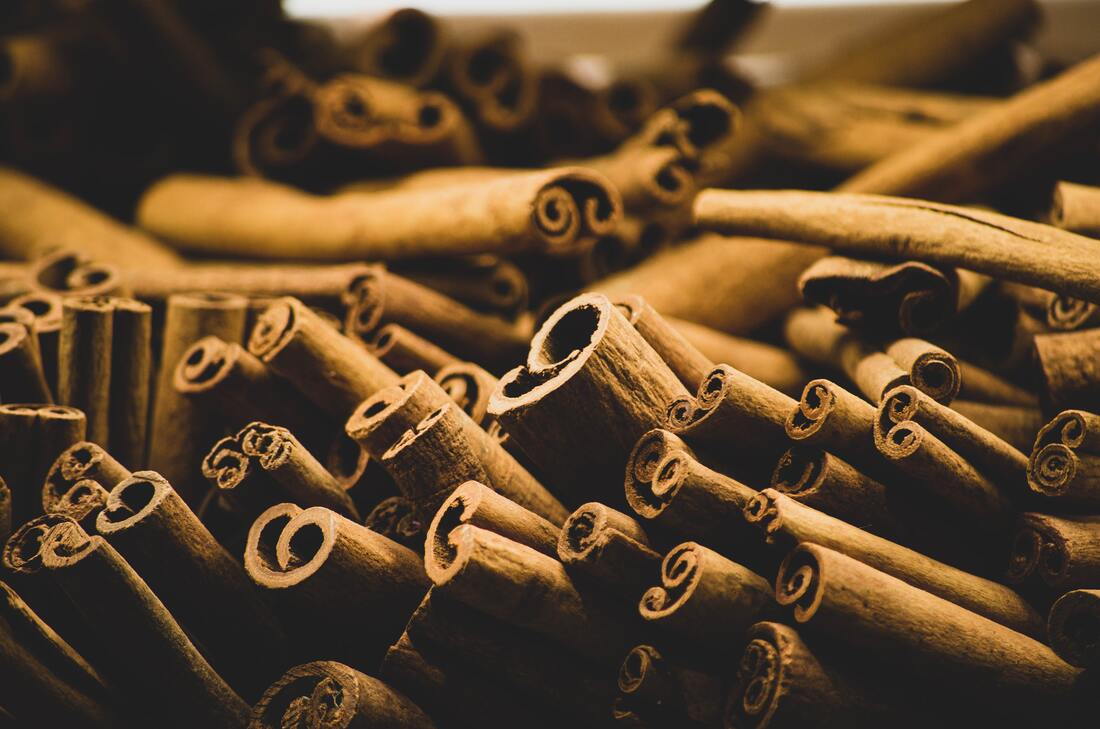 The sweet spices to enliven the mood in perfumotherapy Sweet spices are also in the spotlight this fall. Fresh ginger with cinnamon bark and cardamom. They accompany and complete a natural perfume by bringing them a spicy, lively, warm and comforting facet. • Ceylon bark cinnamon differs greatly from its cousin, cinnamon leaf. Well known in aromatherapy, cinnamon bark has been known since antiquity. At that time it was used in the process of embalming. Cinnamon is mainly native to the tropical regions of Asia. Today, it is also produced in Sri Lanka, the Seychelles and Madagascar. Cinnamon is the oldest known spice and was one of the expensive spices popular on the spice route. The extraction of its essence is done by freshwater vapor. In natural perfumery, it accompanies woody accords (with Atlas and Texas cedar, the soft woods seen above), florals with amber notes, leathers that it softens. In aromatherapy, it acts on many ailments of the digestive system among others and it revives vital energy. It comforts and strengthens the natural defenses, a morale at half-mast. Cardamom is a very fragrant Indian spice widely used in traditional Ayurvedic medicine. Its preciousness is extracted from its small seed by steam. Originally from Sri Lanka and South India, it was brought back to the West from Antiquity for its many medicinal and olfactory virtues. Today, cardamom exhales its frank and refined notes in many perfumes, both masculine and feminine. In natural perfumery, it complements citrus compositions and green florals, modern and daring ferns. In aromatherapy, in addition to its multiple virtues on the digestive sphere, it is carminative. It restores a taste for life and brings a boost of positive energy to anyone who feels it consciously. 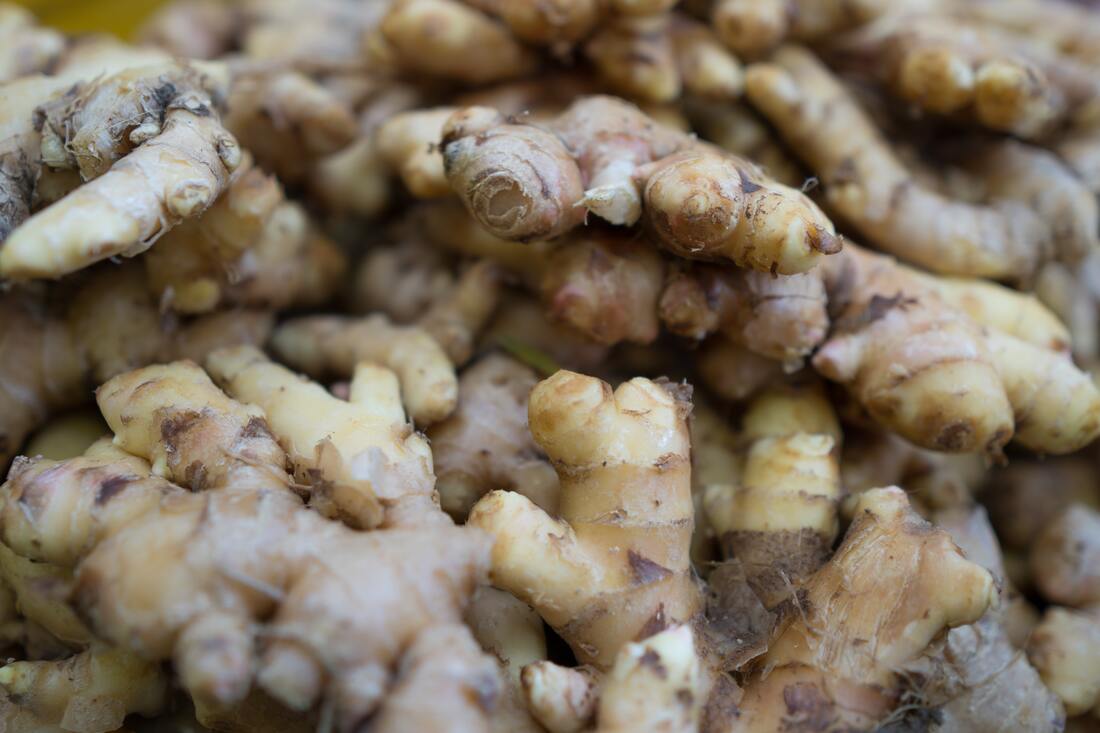 Ginger has been known since the dawn of time for its therapeutic and culinary virtues. Ginger originates from China and was then brought to ancient Egypt… for the mummification of mummies! Yet from Antiquity, the Romans conquered by this intoxicating and almost miraculous spice imported it for its medicinal and aphrodisiac qualities but also for its intense peppery and rosy scent. Its essence is extracted by steam. Today, this spice continues to intoxicate our noses in both male and female fragrances. From great classics to niche fragrances. In natural perfumery, it is this lively top note that creates the irresistible hook; especially if it is built in an aphrodisiac accord of pink berries and grapefruit. Citrus, accords of delicate white flowers are sublimated. Be careful, however, of the right dose! In aromatherapy, ginger essence is also used for virtues on the digestive sphere and many others. It is by breathing it that people suffering from depression, anxiety, stress will experience a beneficial letting go. The honeyed tobacco leaf: from spiritual connection to elegant pleasure uses in perfumotherapy Autumn is also synonymous with leaves and while keeping the notion of enveloping sweetness of the season, there is one that is essential: tobacco leaf absolute. In perfumery, tobacco absolute is obtained by extraction with volatile solvents of different varieties of tobacco. Today, and because of nicotine, tobacco absolute exists with a reduced nicotine content. Tobacco originated in Central America and the habit of smoking this plant dates back at least 3,000 years. It is a plant revered and used as an offering by Native Americans who smoked it, burned it, offerred it as a gift to the spirits. Even today, it is a plant widely used in this way by shamans around the world. In natural perfumery, aromatic strength is the main characteristic of tobacco notes, which are found in different olfactory families such as woody, chypre or fern. Tobacco, however, offers other notes such as honey, almond, wax or even leather. Essentially present in men's perfumes, tobacco brings a certain elegance to compositions. Nevertheless, it sublimates some perfumes for women, for their greatest pleasure... Tobacco absolute is not used in aromatherapy but the symbolic heritage is so powerful that it can be used for spiritual reasons such as connecting with the Great Spirit. 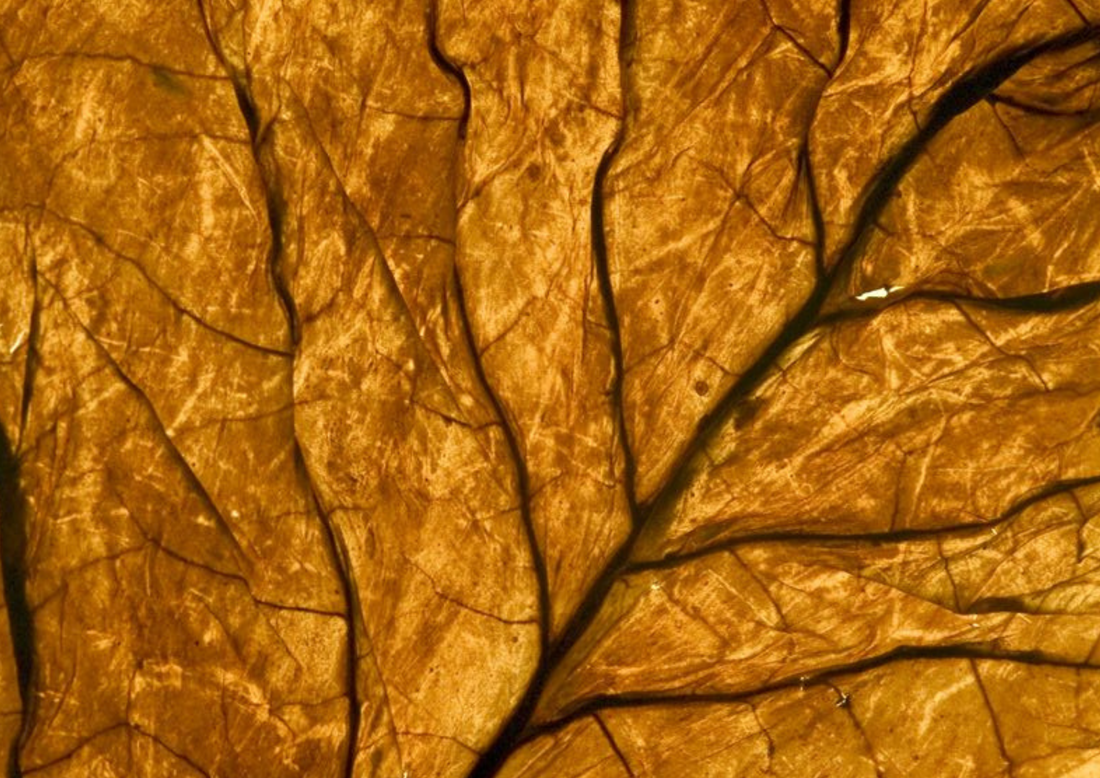 To conclude this article on the perfumotherapy scents of autumn, I could not avoid talking to you about mushrooms or porcini mushrooms to be more precise!
Typically in season, the boletus is appreciated in dishes but not only there. In natural perfumery, we use mushroom absolute. Its olfactory note is earthy and sweet, raw cocoa. It accompanies woody, gourmet, balsamic accords. In a delicate touch, it completes a mysterious floral for great seducers. It adds depth and complexity, which makes any composition more interesting in the right amounts. Be careful not to overdose! Did this autumn olfactory kit inspire you? Become a perfumotherapist and enrol in our French Natural Aromatherapy, Olfaction Training and French Natural Perfumery classes every first Monday of the month at the Natural Perfumery Teacher's Academy 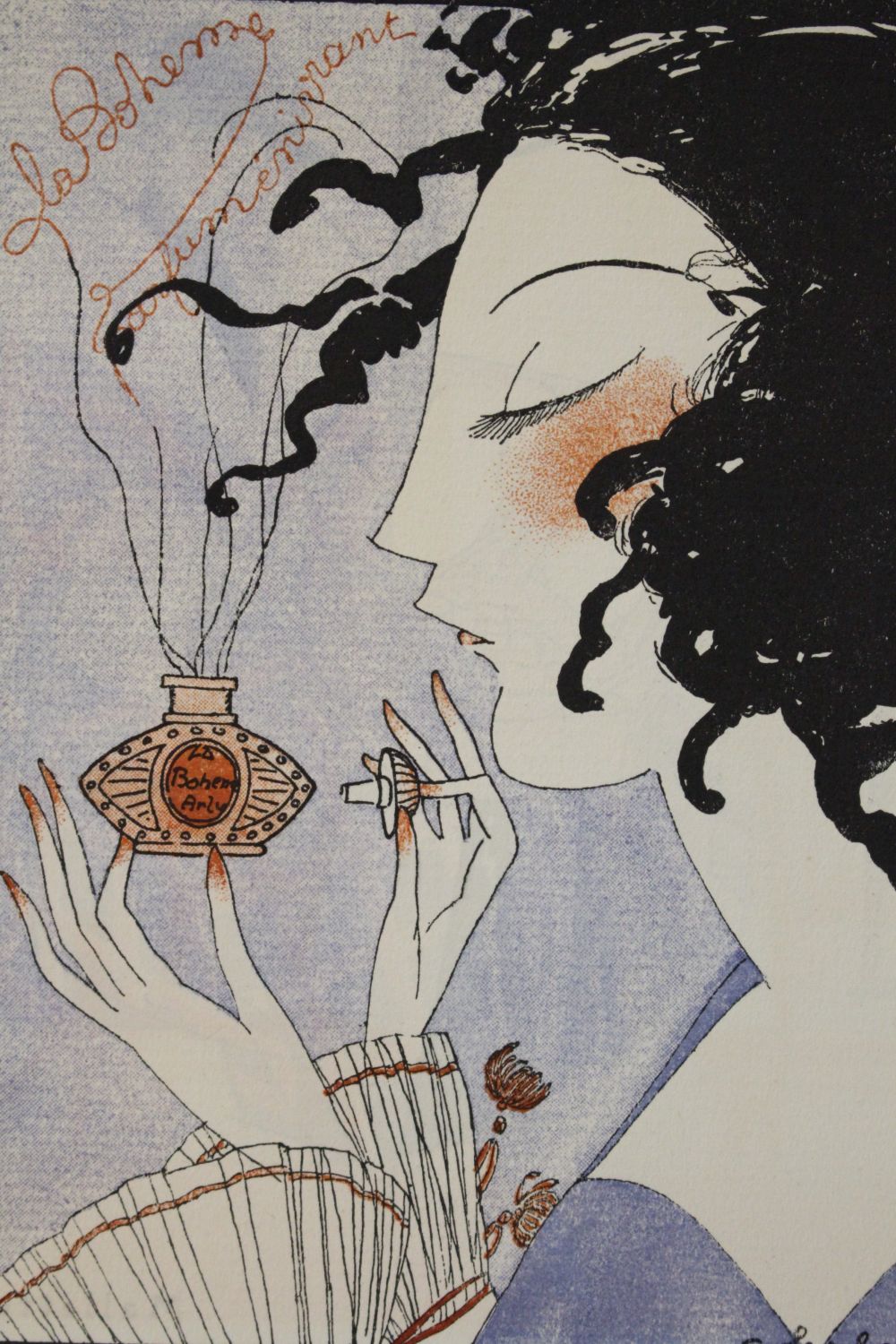 by Vennie Chou, Natural Skin Care Expert and Natural Perfumery Teacher's Academy Academician I have been learning about plants for many years. However, it was not until I learned about the basic philosophy of I-Jing, the Book of Changes, that I realized the communication and connections between living things. The word “I” in “I-Jing” means Chameleon. A chameleon reacts to its environment and changes its colour to respond and survive. Plants change their colours and scents in response to changes of seasons, temperatures, humidity and many other surrounding variations. Animals also respond to changes to occurrences in their physical environments, both expected and unexpected, to improve their well-being. These responses of plants and animals are their means of survival. One of my favorites of nature’s responses is tree resins. Tree resins are produced and secreted by certain trees when they are injured. The tree resins form coverings to heal the injuries. The resins are scented to deter insects and fungi to minimize infections. These scented tree resins are common ingredients used in perfumes and skincare products. Some examples of resins are Frankincense, and Myrrh. These scents are soothing, grounded, and calming to me. I like to use resins in skincare as they heal trees and thus, heal our skin. 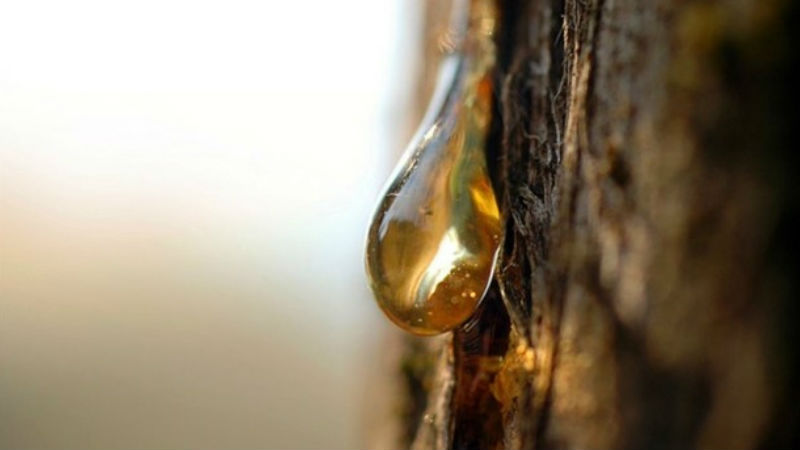 I recently learned about musk that comes from an animal called Civet. Civet cats originated in Africa. It has a body that looks like a cat and face of mongoose. The female and male Civet cats often produce scented secretion, Civet paste. The scent gland is near the peri-anal/ anus area. The secretion marks territory and is used as a way of communication when searching for mates. Fresh Civet paste looks and smells like fecal material. Some describe it as scent similar to urine. However, over time, the scent changes from fecal to floral. As a result, Civet paste is heavily used in perfume industry. Nevertheless, what happens to the intestinal flora or intestinal health, if these animals do not have a normal diet, living under stress and fear in captivity? What really is in the fecal paste when the paste is produced neither for marking territory nor looking for mates? As a result, what really goes in the perfume or musk from these animals?  Natural Perfume is a Scent that Speaks. Often, when we develop a product, we only focus from the point when raw materials are collected to the manufacturing processes. We forget to think about the environmental changes, health and living conditions of the raw materials. Natural perfume is a reflection of how we treat the earth and the environment. It is scent that speaks.  By Françoise Rapp, Certified Aromatherapist and French Natural Perfumer Expert What are Hydrolats? The distillation process of a plant or one of its parts leads to the development of two different products. At the exit of the still, in the essence, there are indeed two superimposed phases corresponding to the essential oil and the hydrosol. The latter is the aqueous phase most often located under the essential oil at the bottom of the essence, milky in color at the exit of the still. The word “hydrolat” comes from the Latin “hydro” which means “water” and from the French “lat” which means “milk”; this no doubt to recall the milky aspect in the essence, immediately after distillation, before decantation. A hydrosol is extracted from parts of the plant such as the flowering tops (lavender, leafy and needle-like branches, with berries (petitgrains, pines, eucalyptus, juniper, noble laurel, etc.), leaves (mint, lemon balm, etc.), bark (Ceylon cinnamon, sandalwood, …). A floral water is aptly named since it will be extracted from flowers, and we find among the most common: rose water, orange blossom water, and cornflower water. In the History of the Use of Plants We are renewing a real interest in the use of hydrosols and floral waters and know that distilled waters were probably already known to the Egyptians. The first indications of their knowledge comes to us from the writings of Synesios of Ptolomais and Zozymos of Panapolis who described in detail the distilling apparatus of the Egyptians. In the 6th century, Aetius of Amida, a physician and writer living in Constantinople, described empyreumatic distillation by hydro-diffusion. But it is from the 8th to the 11th century during the heyday of Arabian science that we find traces of various experiments such as those of Mesue the Younger, who describes distilled waters of rose and absinthe. Théophanes, doctor of Emperor Michael of Constantinople, recommended rose water as a remedy or Avenzoar, doctor to the Caliph of Morocco who used rose water and rose essential oil as a remedy. After the Crusades, knowledge spread to Europe… Through various writings of the time, it is known that distilled waters were the purpose of distillation – essential oils were then neglected. This period also corresponds to the first alchemical research. The appearance of the printing press promoted the transmission of knowledge. Ex: Walter Hermann Reiff (1556), doctor in Strasbourg gave many details on the distilling devices, the hydrosols, their production and their therapeutic actions. From the 16th century, aromatic waters were sold by apothecaries and then pharmacies at the end of the 18th century. From the 18th century (1708), at least 120 essential oils are listed and used particularly in perfumery. Knowledge and chemical discoveries were multiplying. The science of aromatherapy implemented by Gattefossé was more interested in essential oils than aromatic waters. These do not fall into oblivion, but are used as food flavouring and in the cosmetics industry. 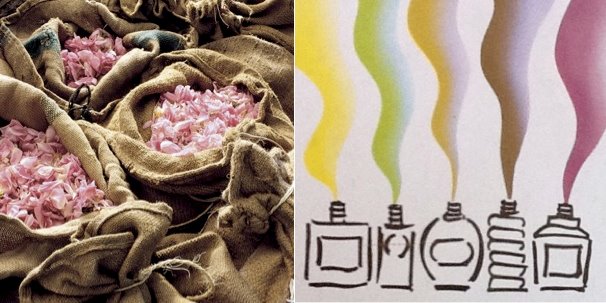 What are the most used hydrosols and floral waters?
Among the most used hydrosols and floral waters are orange blossom water, rose water, lavender water and Roman chamomile water, mint, lemon balm, blueberry, and clary sage. Did you know that hydrosols and floral waters are the perfect base for a natural, alcohol-free fragrance? For many, we have been talking about the toxic and harmful aspects of DEP, which is an ingredient added to perfumery alcohol in order to prevent it from being consumable. Many people are increasingly aware of the impact of aggressive products on the skin and in the respiratory system. Alcohol-free perfumes exist but their sale is centered on perfumed mists for young children. And yet, sensitive people, seniors, pregnant or breastfeeding women are customers who can enjoy natural perfumes without alcohol; see the whole population. Perhaps 100% vegetable perfumery can become a new kind of natural, healthy, and well-being perfumery. Perfume yourself with a mist composed solely of floral water or a hydrosol and natural essences! Certainly, the question that is generally asked when we approach the subject of this natural alcohol-free perfumery is the hold of the perfume on the skin, suspended in the air. Let's be honest, this natural perfumery is in no way comparable to existing natural perfumery and very far from conventional perfumery. What is different is the olfactory quality, the fact of reconnecting with the subtlety and the real vegetable notes either of the molecules which catch the nose not to let you go. It's another world of perfumery and totally different that we get used to. An alcohol-free perfume with a base of floral water is a perfume for oneself, not for others. We do good. We feel good. It's like a rejuvenating and beneficial ritual from Mother Nature. These are hyper-creative compositions for the perfumer with a few challenges: the fragrance of the base must match and complement the composition of the perfume formula. A dispersant must be used in order to dissolve the natural essences in this aqueous and fragrant base. What type of botanical perfume can we compose? Natural alcohol-free perfumes based on hydrosol or floral waters limit the choice of olfactory families. Are we going to favour more compositions such as fresh aromatic waters, green floral waters or not, a modern fern revisited in an aqueous base of mint, rosemary or laurel hydrosol? Learn how to dissolve natural essences in an aqueous phase. This Spring make up your own hydrosol or floral water and create an alcohol-free natural perfume. Share it with us on our social media. Do you want to follow your passion and become a professional certified natural perfumer? Enrol now to the French Natural Perfumery Course Spring session The course is taught in English, Italian (thanks to Andrej Babicky) and Arabic (thanks to Naziha Allalou)  Olfaction Training and Aromatherapy to Accompany You Well During Fall by Françoise RAPP, IPF Chair France In the fall, I gathered all my sorrows and buried them in my garden. When April bloomed again and the earth and spring celebrated their nuptials, my garden was strewn with splendid and exceptional flowers. Khalil Gibran Fall is the season we go into soul connection, looking at what we have done so far to prepare for our winter retreat and the year ahead. It’s a difficult season for many as it marks the end of summer and its strong energy and the onset of winter. Losing the exciting summer light is difficult for many of us. In Traditional Chinese Medicine, autumn is linked with the energy of the lung, symbolized by melancholy and the work of the breath. This season, it is important to focus on real breathing work in order to open and lighten your emotions, to let go and reconnect with yourself. In many traditions, breath is the energy of life. The work of breathing increases vitality and dynamism. While physical exercise is work on the body, meditation on the mind, respiratory work acts on the emotions. When we breathe automatically, we exchange ½ liter of air roughly with each breath, but when we breathe consciously, we exchange 5 liters of air. Combine with breathing work, natural essences chosen for their properties on the psyche, you will thus increase the well-being of the body and also of the mind. In Traditional Indian Medicine, Pranayama is the 8th discipline of yoga and it focuses on the breathing work to balance the body and mind. For example, solar breathing or "surya bedhana", energises the body and mind, while lunar breathing, "chandra bedhana", on the contrary, promotes the inner calmness. Solar breathing is practiced by inhaling through the right nostril and exhaling through the left nostril. For lunar breathing, it is the other way around. When we accompany each breath with a natural essence, I advise you to pour one to three drops on a paper tissue to breathe prior the exercice.  This fall, five essences will wonderfully help all the physical and energetic work to accompany you well during this season. They will help to relax the body, lighten the emotions, energize the vital energy, calm the mind and regain enthusiasm.
1. Bergamot essence awakens enthusiasm and joie de vivre while allowing you to let go of the mind. It goes very well with the essential oil of Roman chamomile and its honey-like note. 2. Roman Chamomile essential oil is solar. It brings the mind back to inner calm by allowing the mind to let go. It is the essence to fight against minor anxieties, anxiety and negative moods (in combination with the essence of bergamot). 3. Cardamom essential oil brings flavor back to life. It also helps alleviate the emotional burdens that you keep to yourself. Breathing in its essence helps to regain the desire for ... Mix it with bergamot and you will have a sparkling and joyful note that will make you want to sink your teeth into life. 4. Black spruce essential oil is the one that saves you from fatigue in the fall and also in winter. To breathe it is to dive into Canada's boreal forests. Its fragrance is woody, fresh and balsamic. It goes very well with other facets such as woods, balsamics, hesperides, ... 5. Scots pine essential oil stimulates the body by acting directly on the adrenal glands (it increases cortisol levels when used on the skin). It also brings a feeling of solidity and anchoring. Mix it with the essence of bergamot to make you feel light and light on the ground or that of black spruce to combat physical and mental fatigue. If you've never breathed as directed, don't be afraid to take the first step. This is the one that matters! 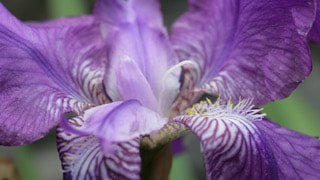 Iris is not only very special for its olfactory quality. Did you know that the plant itself has been sacred for its healing properties ? by Françoise RAPP, IPF Chair France In natural perfumery, iris pallida is an exceptional ingredient to use to add a sophisticated note to formulations. What about its identity and above all, what does this treasure hidden underground reveal after a very long transformation for the pleasure of our nose and much more... Let's explore together this sacred and mythical plant that has existed since ancient times ... In Greek mythology, Iris daughter of Thaumas and Electra, was the messenger of the gods. In Homer's Iliad, she is "the messenger of all the eternal gods". When Hera returned from the Underworld to Olympus, it was Iris who purified her with perfumes. Poets claimed that the rainbow was the trace of Iris's foot descending rapidly from Olympus to earth to carry a message; this explains why it is most often represented with a rainbow. She is the rainbow goddess. 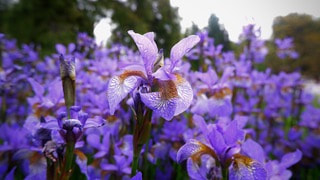 Iris of Florence is recognized as one of the noblest members of the iris family by natural perfumers since Catherine of Medicis. As for the plant itself is concerned, for nearly a millennium in Egypt and then appreciated by Catherine de Medicis, it has been used in cosmetics and fragrant balms. And it still does nowadays. Botanically derived from the roots of iris germanica, the extract possesses a high concentration of isoflavones in its rhizomes. As a result, it is included in cosmetic formulations due to its potential to provide potent antioxidant effects that help protect the skin by neutralizing free radicals. In his Canon of Medicine, Avicenna recommends an external wash made from a decoction of orris root as a beautifier of the skin, which removes wrinkles. Iris grows in various countries now from France, China, Turkey, Italy and Morocco but iris pallida or iris of Florence is recognized as one of the noblest members of the iris family by natural perfumers since Catherine of Medicis. Technically, its cultivation is done from mid-September to mid-October. The harvest takes place the 3rd year after planting between mid-July and mid-August. The extraction is either done with a volatile solvent for the absolute (alcohol for the resinoid) or hydrodistillation as for the butter and irone isolate. In terms of the yield itself, it requires 100 kg of rhyzomes to make 1,2kg absolute, 100 kg for 20 kg resinoid and 330kg to make 1kg orris butter and 100 grams of isolates. We can definitely see the waste and non-sense of processing isolates for natural perfumery!
Explore this classic and exceptional ingredient.
Its scent is multi-faceted with delicious notes between violet note and mimosa note, woody accents, light note of powdery leather and note of carrot. In fact, very often in perfumery, to replace or support the iris effect, carrot seed essence is added. Its fragrant quality is simply exceptional and it this explains why it was the star ingredient of famous classic sophisticated perfumes from the early 20th Century to now. It is synonym of chic and elegance for women and men as well. It blends beautifully with other essences to either make rich floral, woody or fougère accords. For instance, modern fougère natural fragrance can be created with lavender, vetiver, ambrette, iris and Virginia cedarwood; or the association with essences like benjoin, franckincense, ciste, tobacco and bergamot give it a very modern mystic flair. But more than that, iris is not only very special for its olfactory quality. Did you know that the plant itself has been sacred for its healing properties upon the body? Using natural essences affects definitely our body vitality and health. Since the earliest times, Egyptian then Greeks used iris rhizome powder for its cleansing and detoxifying properties. The juice of the fresh Orris root is said to be one of the finest natural remedies known for dropsy or edema, which is fluid retention. The finely powdered Orris root can be inhaled as snuff in pinch sized doses to provoke sneezing and thereby cleanse the head and sinuses. A decoction of Orris root attenuates and loosens up phlegm in the chest, lungs and throat for easy expectoration, and will soothe a sore throat and pacify coughing. Taken internally in small doses, Orris root will relieve congestion and sluggishness in the liver, have a carminative effect on the stomach and digestion, have a relaxing aperient laxative effect on the bowels, and will act as an emmenagogue to stimulate a sluggish or suppressed menstrual flow. Avicenna, the famous Greek doctor, recommends the external use of a boiled down decoction of the Orris root to treat and aid the maturation of chronic, hard swellings of the lymph glands and acne. He also recommends a concentrated decoction of the Iris leaves as a topical treatment for skin ulcers, preferably in conjunction with Rose oil. Avicenna also regards poultices of Orris root as a valuable antispasmodic in convulsed, spasmed muscles, and recommends an enema of Orris root to relieve pain and tenderness of the sciatic nerve. Explore this classic and exceptional ingredient. Try to formulate a delicately scented balm that will beautify the skin while delighting the senses. 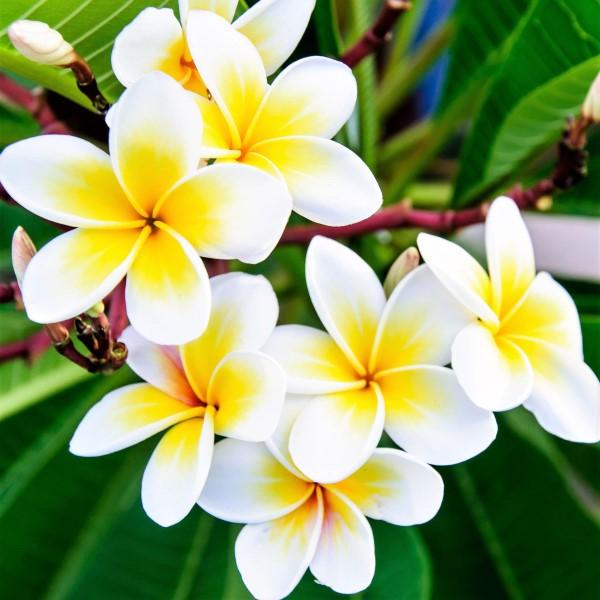 Frangipani and Tiare are Summer Flowers in Natural Perfumery by Françoise Rapp Indispensable for solar notes, these Tahitian flowers captivate! The irresistible tiare flower, emblem and lucky charm of Polynesia, has captivated our scent accords for many years. That which is often mistakenly confused with the frangipani flower, goes with flowery or fresh notes to give natural perfumes a note of exoticism and holidays. What is the Origin of the Name Frangipani? The frangipani or plumeria was named in honor of the French botanist Charles Plumier (1646-1704). The common name frangipani would come from an Italian marquis, Muzio Frangipani, who had created an almond-based perfume to perfume gloves. In natural perfumery, there are absolutes of red frangipani, native to Malaysia, and of white frangipani (the best known) native to India, although this botanical genus, composed mainly of bushes and deciduous trees, has become acclimatized in Asia. It is now found in all tropical or hot countries. The different varieties of plumeria give magnificent flowers within their center the yellow color haloed by different petals in shades of yellow, pink or white. The flowers give off an intoxicating scent and even more so at night. In Asia, the frangipani is believed to be a tree of eternal life. This magical aspect is also found in Polynesia, where it is considered to have privileged links with the spirits. Even if Polynesia is more associated with the tiare flower, thanks to the product of Monoi which is a maceration of the tiare flowers in fresh coconut oil. In India, the frangipani flower is often referred to as the temple flower because shrubs are usually found planted next to temples in India or Bali, the flowers being used as offerings to Hindu and Buddhist deities. The frangipani flower is a sacred flower in India whose abundant flowering is called by fiery prayers like sambac jasmine, because the whiteness of the flower symbolizes the purity of the soul. In the Pacific Islands, it is worn by women to indicate whether they are single or not. On the right ear, it means they are looking for love and if the flower is on the left, it means they are already engaged. A Bewitching Sacred Flower It is a flower that has a lot of presence. It is often associated with other solar flowers and white flowers such as ylang-ylang, jasmine, tuberose, magnolia, gardenia and tiare flower. It is present in heart notes but as soon as the fragrance soars it jumps to the nose. It is a strongly intoxicating aromatic material, like a heavier, tropical version of fresh gardenia flowers, a voluptuous fragrance that could also remind of osmanthus flowers. In Traditional Medicine In the West Indies, the bark is used as a purgative because it contains an antibiotic, while its leaves promote healing. In Africa, it has the reputation of promoting the secretion of breast milk. In Asia, its sap was used to treat warts. What is the Difference with the Tiare Flower? 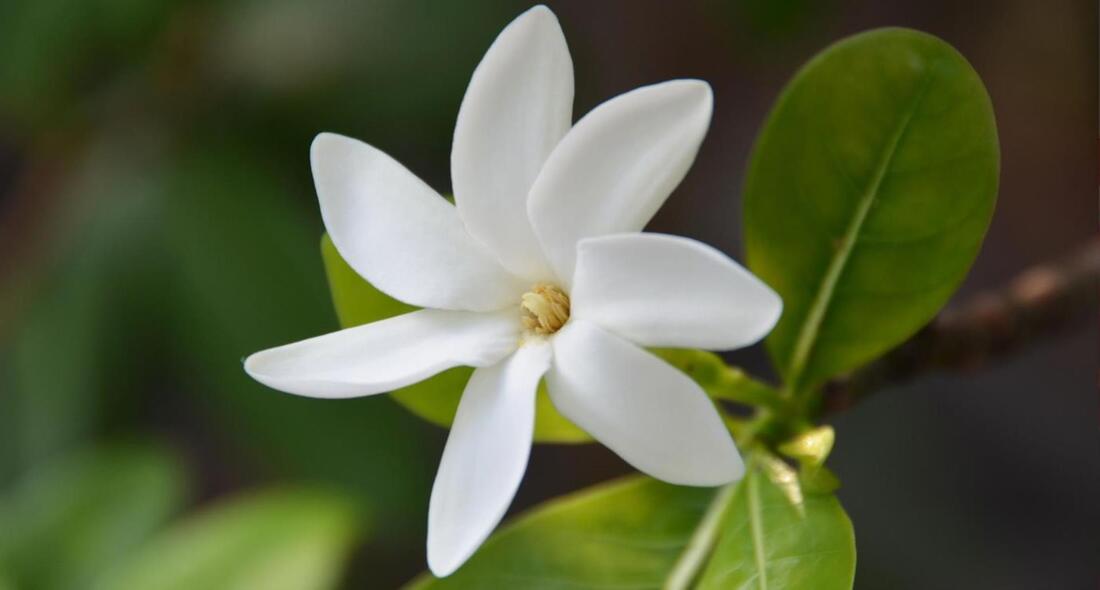 The Tiare Flower, a Flower with Sacred Origins
The tiare flower or gardenia tahitensis was once the preserve of queens and kings. We covered the floors during wedding ceremonies ... floors sublimated by the delicacy and the disturbing scent of these white petals with a golden heart. In Tahiti, Polynesian legends remain alive. And the flower that represents the island is no exception. This is why the tiare flower has ten names according to the blooming of its buds. These then pass from the hands of the gods to those of men. Native to the mountainous coasts of the South Pacific, the tiare flower has the distinction of being one of the rare cultivated flowers native to Polynesia. Tiare is a type of gardenia that grows in Tahiti, the largest island in French Polynesia in the southern Pacific Ocean. It is the soul and symbol of this island. Tahitian men and women wear these scented flowers in special ceremonies, and they are usually given to guests in Tahiti as a sign of welcome. From the rubiaceae family, tiare grows on small shrubs, which produce a limited number of flowers each year. The tiare plant does not produce seeds or very exceptionally and therefore depends on men to reproduce. Coral lands are its favorite place. It is planted in dark soil, and we add coral fragments to its roots to help growth. The tiare Tahiti flowers all year long, but mainly from September to April, giving a yield of about 2-10 flowers per day. Fresh flowers are collected in the morning from 5am at bud stage, ready to blossom. They are then wrapped in leaves carefully to retain its freshness and fragrance for several days Completely free from toxicity, it is the most commonly used of all Polynesian plants. In traditional medicine, the tiare flower is prepared in a variety of preparations to meet all needs; as an infusion, soaked in lukewarm water, ground with other essences or crushed with a few drops of Monoi. The Polynesians have used these strange preparations in particular to relieve earaches, migraines and mosquito bites. They also use the flower to perfume their homes by placing a few tiare flowers in the small saucer filled with water to release its delicate and sweet scent. Tiare flowers have antiseptic properties due to the richness of essential oils, as well as calming and purifying properties due to salicylic acid and derivatives salicylates. It is particularly used in sensitive skin care products, and in Monoi de Tahiti, which is suitable for all types of cosmetic formulations. Finally, the Tiare flower exhales a seductive fragrance that is a highly refined source of inspiration for perfumers. The Solar Note for Natural Fragrances! The tiare flower produces beautiful white flowers with an absolutely divine scent, reminiscent of jasmine. Its bewitching notes are used to create the famous solar note. It is a white floral note, creamy and indolic. The Tiare flower has a very pleasant complex spicy bouquet, mainly with honey, chocolate and cinnamon, along with green notes. The abundance of dihydro-coniferyl alcohol esters is one of the specificities of the Tiare flower. They are the ones giving it a heavy vanilla scent with floral notes. Are you Inspired? Are you tempted or inspired to take an olfactory journey to imaginary islands? With Tiare or frangipani flower, you can create exceptionally sensual and captivating natural fragrances by complementing these exotic flowers with a vanilla touch of benzoin, or the freshness of pink grapefruit, or sacred woods such as gaiac wood ... 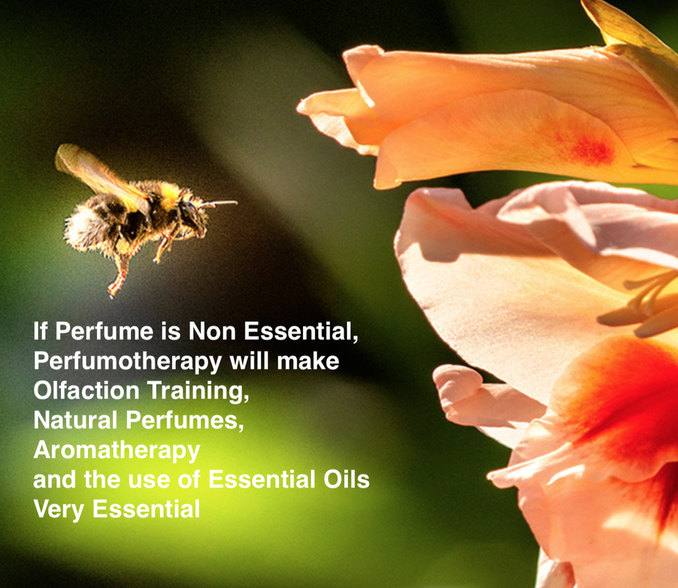 by Creezy Courtoy The Art of Perfumery has been Part of Man since Antiquity Our ancestors used to breathe flowers and plants in order to maintain contact with nature and a body / mind balance. Today we live in a post Covid19 era, we are looking for solutions and alternatives to change our lifestyle, reconnect with nature, create more jobs and preserving our health while preserving our biodiversity. But before going further, I would like to remind you where we have come from, our history. In the ancient Amazonian tribes, shamans were named "Perfumeros" in reference to their uses of fumigated plants in the path of healing. What about today when synthetic fragrances are used in almost the majority of our daily products, through food, detergents, cosmetics and Perfumes. Is our sense of smell still in balance? Are we really aware of the impact of smells on our metabolism and of the "polluted" universe in which we are living? These questions lead us straight to the urgency of a return to a perfumery of well-being composed with essences resolutely derived from biodiversity, respectful of our Earth and our organism, perfumotherapy is a real return to the sources of our forgotten nature. Perfumotherapy is a way to reconnect with nature. In Antiquity, we Used to Say "He Who Breathes the Soul of Flowers and Plants Purifies his Body". We have to face the facts that perfumery hardly uses any organic substance anymore, but has replaced it with essences made up of synthetic molecules. The product therefore costs up to 50 times less and ensures maximum profitability without any risk of poor harvest due to the unpredictable bad weather of our weather. There is therefore no longer any cultivation and picking or processing of the flower and also an absolute guarantee of not running out of raw material since it is available in the laboratory .... Only a dream of nature remains, conveyed by the advertising of brands. Today we no longer sell a perfume but the idea of a perfume, if you buy a perfume and you still doubt its content despite everything, look on the back of the bottle or on the packaging. Perfumers do not have to reveal their manufacturing secrets and it has become almost impossible to find a real perfume made from flowers and plants. The Story Begins in Egypt About Five Thousand Years BC. Perfumes were used as care and during ceremonies dedicated to the Gods, perfumes were considered sacred. In our time our mother nature has been "forgotten" in order to give way to the pleasures of consumption, perfume has become a social object, a representation of fashion and identity. We have totally lost sight of the fact that an old perfume consisted of active components (among other essential oils) having a concrete influence on the human metabolism. Putting a perfume on yourself is not a trivial act and goes in the same direction as a healthy diet and hygiene. In view of our current life, our metabolism literally bathes in synthetic products without knowing the exact medium-term impact on our balance. Pollution by synthetic flavors and other substances is considerable today and we have forgotten that emotions and physiological states are simply the manifestation of our internal organic chemistry. We are therefore in a state of imbalance and our sense of smell is deceived by odors manufactured and manipulated in laboratories. 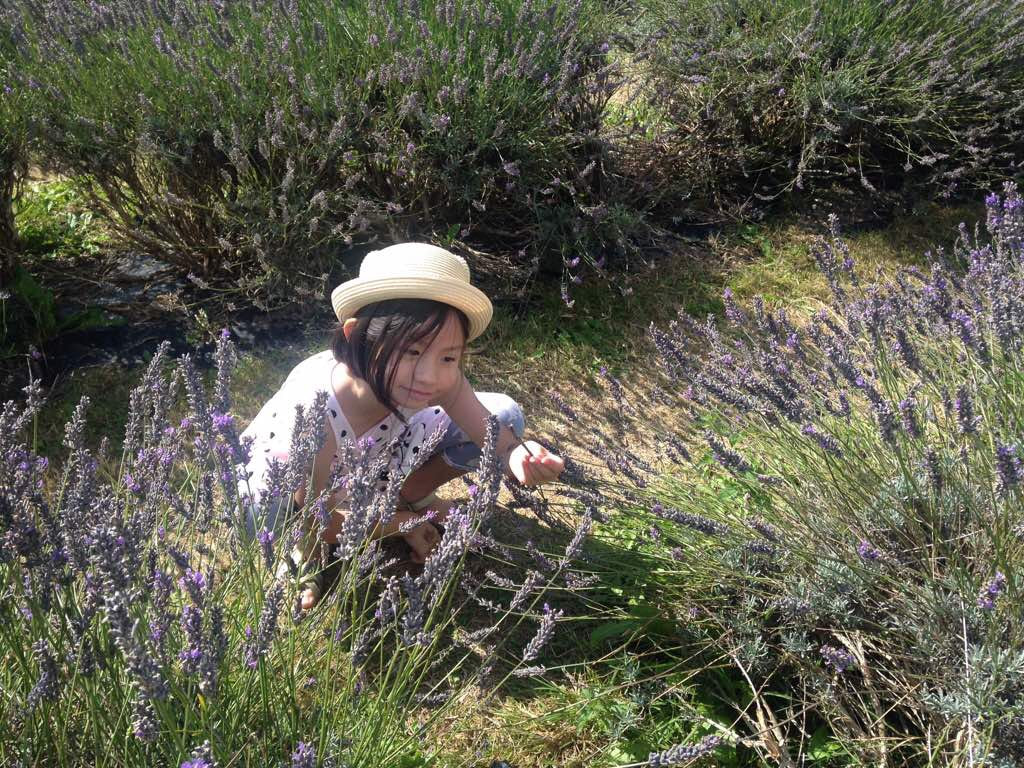 It is Becoming "URGENT" Today to Reconsider the Place for a New Natural and Organic Perfumery, Respecting the Cycles of Nature.
Perfumotherapy is called to play an important role over the next few years because of its ease of use, its contribution to our balance and respect for natural cycles. What happens if we associate flowers and plants with the olfactory system? Well-being through plants depends on several factors: the properties of plants and their beneficial actions on the various organs, olfactory research and the re-education of our sense of smell. The perception of smell and the use of fragrances by cultures other than ours give us a certain amount of information on perfume plants from the ancestral pharmacopoeia. IPF Certified Natural & organic perfumes as well as their derived forms - balms, ointments, incense or essential oils - have therapeutic properties which have the merit of being easily accepted and digested by the body. Each plant has its own property, some are used in the West, while others are in other parts of the world. Odors influence the psychology and physiology of the subjects, their behavior and their health. The vegetative nervous system regulates major functions such as blood circulation, respiration, etc. A Perfume is Above All a Gas That you Breathe Its effect is immediate compared to the ingestion of a drug which sometimes takes more than 20 minutes to be digested while crossing the intestinal barrier. Perfumotherapy is part of a process of taking charge of the individual by himself and part of a global perspective of the true place of man in his environment and his close relationship with our Earth. If Perfume is Non Essential, Perfumotherapy Will Make Olfaction Training, Natural Perfume, Aromatherapy and the Use of Essental Oils Very Essential Perfumotherapy will create many jobs worldwide while replanting flowers for Natural Perfumers, Aromatherapists and Perfumotherapists, Replanting flowers will also support bees work as pollinisation is becoming a global governance issue. 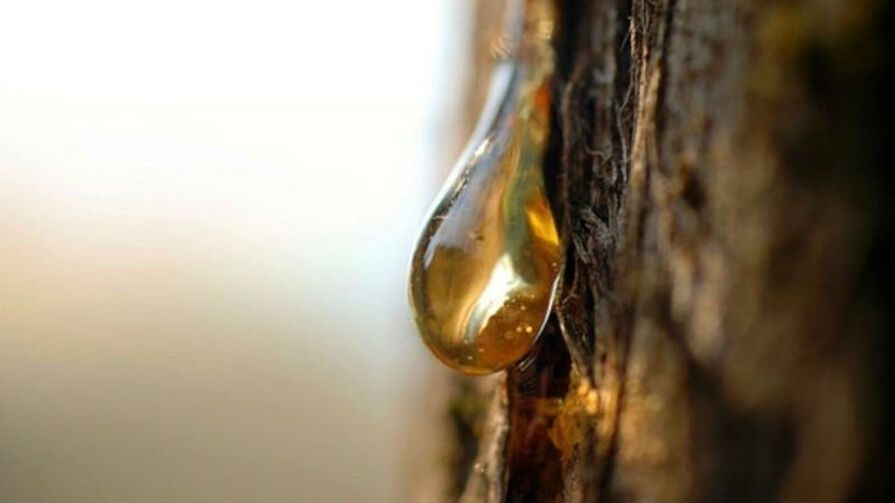 To Reconnect With Your Inner Haven of Peace and to Help you Find Serenity by FRANÇOISE RAPP, Certified Natural Aromatherapist There is one raw material that has been of choice in the palette of natural perfumers for centuries, so it seemed obvious to me to share with you the holistic benefits of an exceptional essential oil that is particularly close to my heart: frankincense. Extracted from the sacred boswellia carterii tree and steeped in history, its resin has been used since the dawn of time for the consecration of places of worship and to facilitate connection with the deities. In this article, I will reveal to you how the energetic benefits of this essence is important to reconnect with your inner haven of peace now and how to use frankincense quite simply to help you find serenity. A Little History… The path of incense seems to have been traced for millennia because the path of this precious raw material was already considered a holy grail from Egypt, to Yemen to India. The tree grows in areas of present-day Ethiopia, Somalia, Oman, Yemen. It is in this scorching heat and in an extremely harsh environment that this gnarled or even twisted tree reveals its greatest secret: a fragrant resin with an incomparable subtle and deep fragrance. According to Wikipedia, “the Frankincense Route once linked Egypt with Yemen and India. It was probably created around 1800 BC. AD, when the Indians began to send incense to the ports of Arabia and Egypt. The incense that arrived at the Arabian ports was then sent by caravan through the desert to Petra, and from there to Gaza and Damascus. That passing through the ports of Egypt was transported to Alexandria, passing through Coptos. The trade in frankincense, and myrrh, from southern Arabia to the Mediterranean, flourished between the 3rd century and the 2nd century AD. The incense route served as a channel for exchanges other than frankincense or myrrh: Indian spices, ebony, silk, ... ”. The decline of its trade began in the 7th century .... It is, of course, difficult to reduce its history and its benefits to a blog page as this raw material is exceptionally rich in its history, uses and multiple properties. I have chosen today to present to you some of its energy benefits specifically related to our current needs. 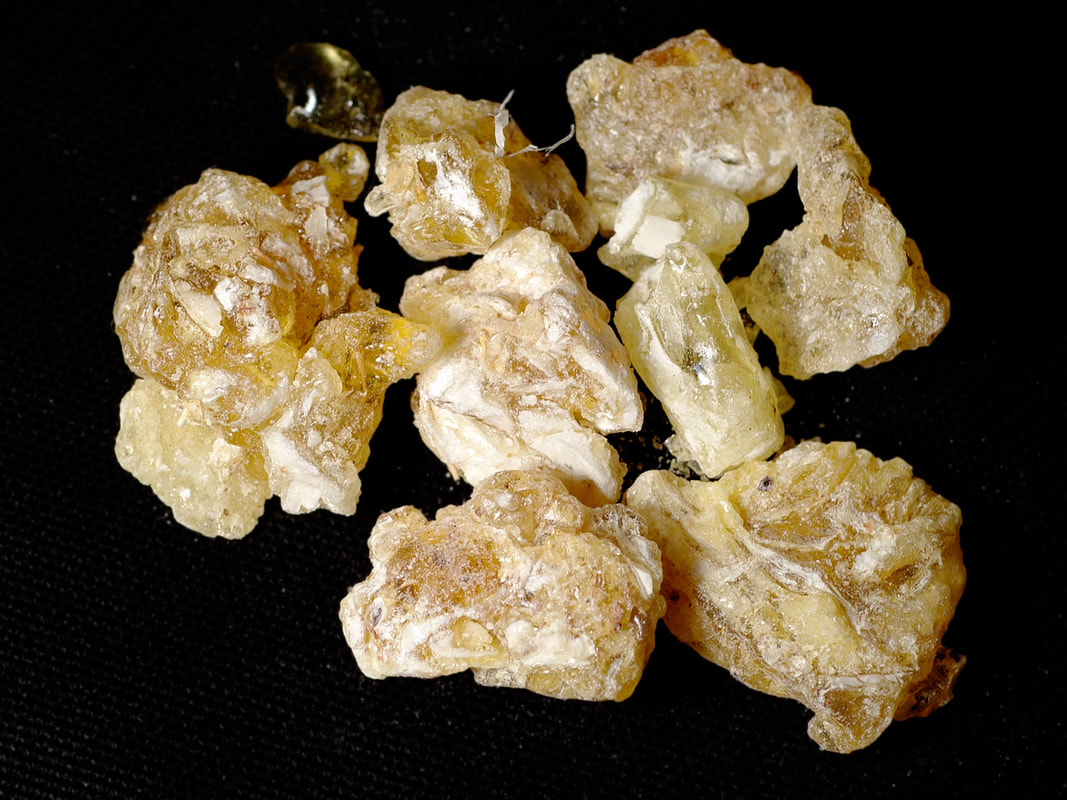 Frankincense Essential Oil Provides Great Physical and Energetic Oxygenation
In olfactotherapy and emotional healing, frankincense essential oil is used to soothe impulsiveness, anxieties and mental agitation. It calms the overheated mind, calms the senses, promotes serenity and inner peace as well as a deep sense of security. In this, it is particularly beneficial to use it at this time. It stimulates spiritual forces and promotes inner alignment. It helps to balance the vital energy throughout the body. Frankincense essential oil provides great physical and energetic oxygenation. This is one of its great strengths. It unravels, frees, transforms and helps to evacuate whether they are fears or unconscious resistance. It is olfactory and natural perfumery note is balsamic and it pairs well with many other essential oils. Pair it with rose essential oil or absolute to experience a moment of purely divine inner peace, comforting and gentle like a mother's embrace. Breathe deeply the sweet and profound aroma and immerse yourself into calm and comfort Mix it with myrrh and Ceylon cinnamon for invigorating & reassuring the emotions. My expert advice is to enjoy it solo by taking 7 deep breaths in the state of mindfulness. Keep on the lookout for other articles about the infinite power of scents of essential oils! If your dream is to become a Certified Natural Aromatherapist, enrol to my 8 weeks intensive course. 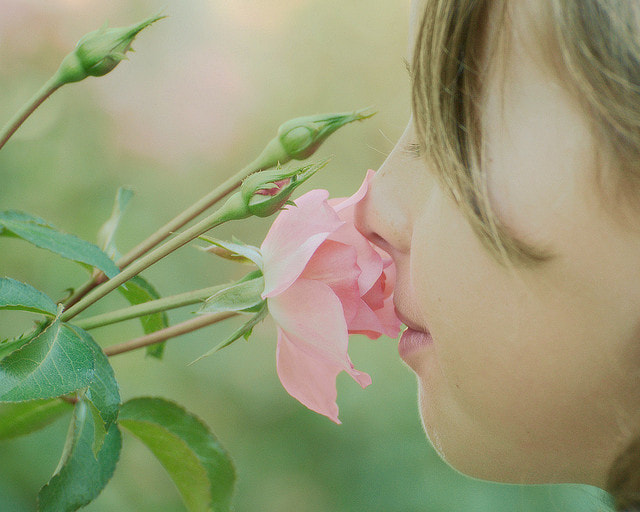 Our sense of smell will be extraordinarily precise if we train it everyday, the same way we do yoga or sports by CREEZY COURTOY Certified Olfaction Trainer Cover your eyes and you will stop seeing, cover your ears and you will stop hearing, but if you cover your nose and stop smelling, you will die. Our sense of smell can be extraordinarily precise, yet it’s almost impossible to describe how something smells to someone who hasn’t smelled it… We see only where there is enough light, taste only when we put things into our mouths, touch only when we make contact with someone or something, hear only sounds that are loud enough to hear. But we smell always and with every breath. Cover your eyes and you will stop seeing, cover your ears and you will stop hearing, but if you cover your nose and stop smelling, you will die. Smell is the most direct of all our senses. When I hold a violet to my nose and inhale, odor molecules float back into the nasal cavity behind the bridge of the nose, where they are absorbed by the mucosa containing receptor cells bearing microscopic hairs called cilia. Five million of these cells fire impulses to the brain’s olfactory bulb or smell center. Such cells are unique to the nose. If you destroy a neuron in the brain, it’s finished forever; it won’t regrow. If you damage neurons in your eyes or ears, both organs will be irreparably damaged. But the neurons in the nose are replaced about every thirty days and, unlike any other neurons in the body, they stick right out and wave in the air current like anemones on a coral reef. 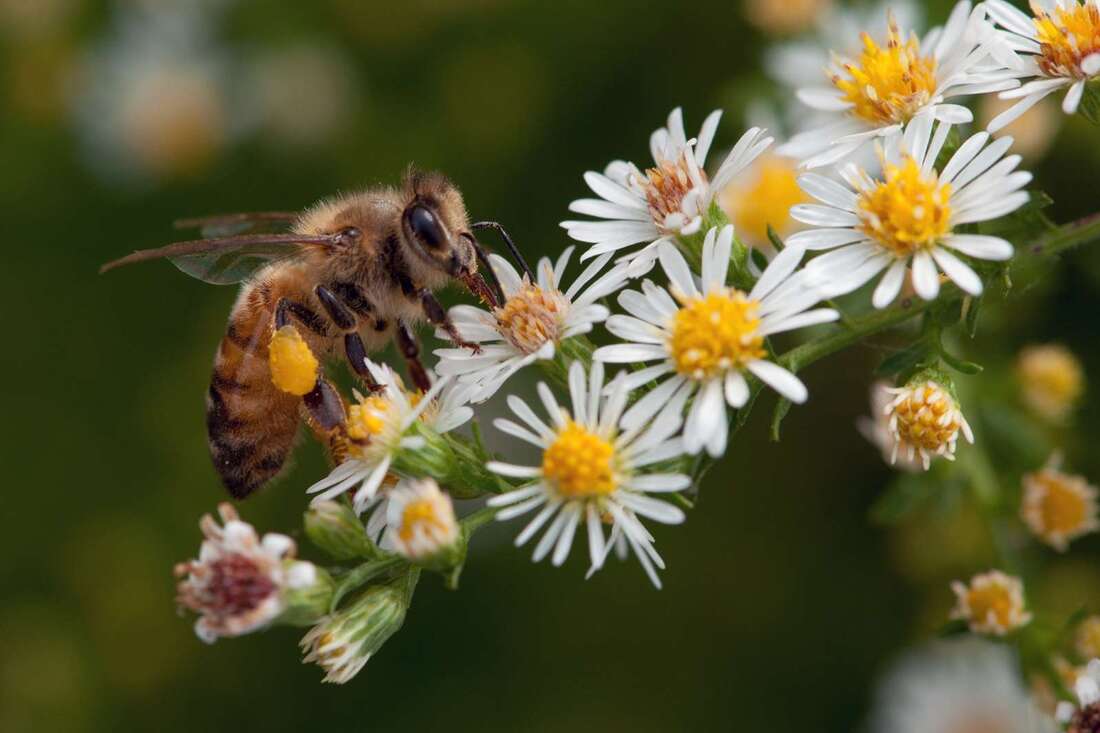 Honey bees use their antennae to detect odor.
According to research by the National Institutes of Health, published in the "Genome Research" journal, honey bees have 170 odor receptors, or chemoreceptors, in their antennae. This is high for an insect -- fruit flies (Drosophila melanogaster) have 62 receptors and mosquitos (Anopheles gambiae) have 79. The honey bee’s sense of smell is so sensitive that it can detect the trace of a scent in flight. This ability equips the bee to effectively and efficiently locate pollen-rich flowers. Once the scent is detected on the antennae, the bee’s hyper-sensitive olfactory path processes the information, enabling the bee to determine the relevance of the scent to her search for pollen. As well as for finding food, honey bees use their sense of smell to locate other bees. Our sense of smell can be extraordinarily precise but we need to train it everyday, the same way we do yoga or sports. Learn to train your olfactory sense. |
Archives
October 2023
Categories
All
|
 RSS Feed